This Spanish Island Wants to Ditch Drunk British Tourists for Rich American Ones
Mallorca is taking a less-is-more approach to tourism as anger swells among locals.
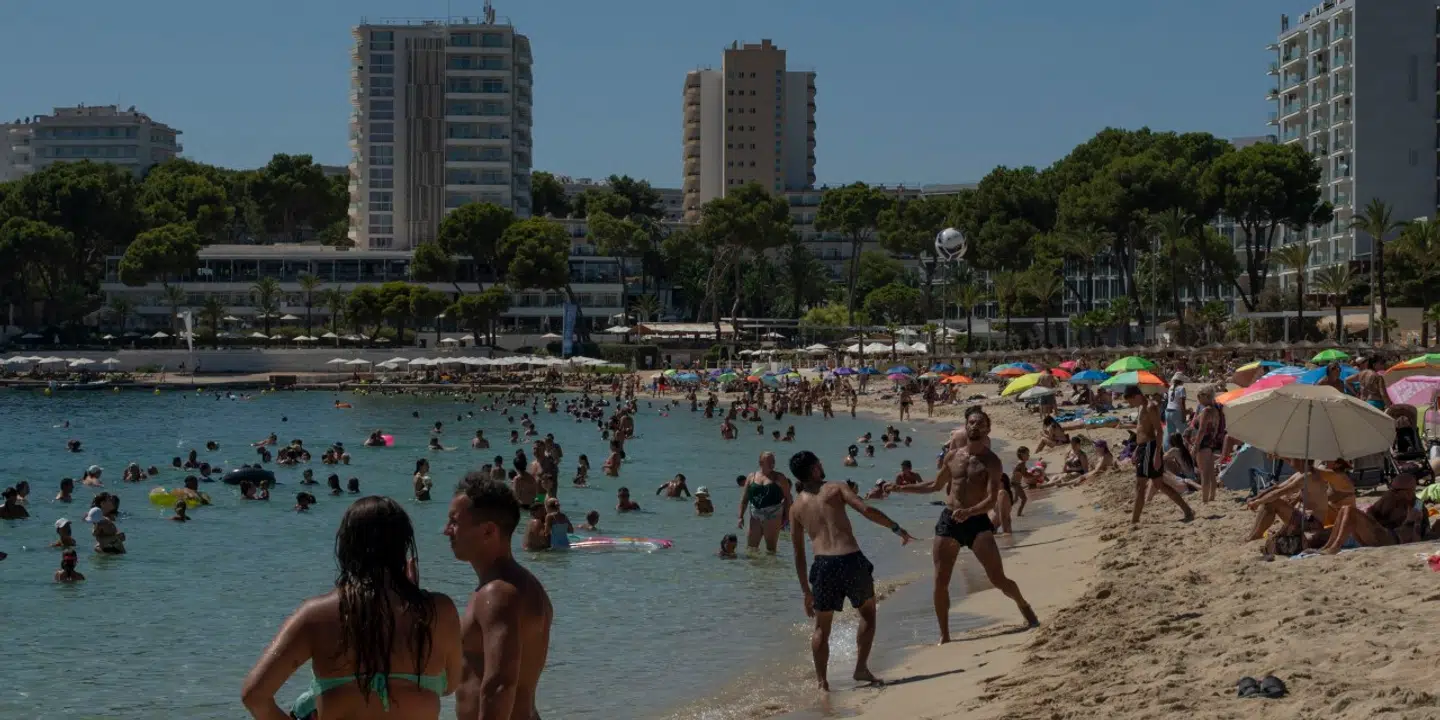

Mallorca is taking a less-is-more approach to tourism as anger swells among locals.
MALLORCA, Spain – This Mediterranean island is a tourist paradise, with glittering turquoise seas, hidden coves and endless white-sand beaches that have been luring Europeans for generations.
It is also the epicenter of Europe’s backlash to overtourism. Local residents have taken to the streets and beaches repeatedly this summer to protest the island’s growing flock of visitors, united by one message: »Tourists, go home.«
The island – roughly 125 miles east of the Spanish mainland, with a population of about one million – is on track to welcome about 14 million tourists this year. They pour in on hulking cruise ships, rowdy budget airline flights and tour buses run by vacation-package companies.
In peak summer months, the island’s daily population can rise by 50 %.
Mallorca’s tourism model is increasingly a victim of its own success, as overcrowding risks eroding what made it special in the first place. Local politicians are trying to calm the backlash from residents – without jeopardizing the revenue that is the lifeblood of the economy.
The flood of tourists has pushed the island’s infrastructure to its limit, leading to traffic jams, strained water resources and a severe shortage of affordable housing for locals. On the outskirts of the capital, Palma, some locals who can no longer afford an apartment live in sprawling communities of camper vans.
Some on the island have called for radical tourism-containment measures, such as an outright limit on visitors.
Mallorca’s leaders are testing a different solution: a rebrand. The island wants to shed its reputation as a hot spot for British bachelor parties and thrifty package-holidayers and transform into a luxury destination for high-rolling tourists like Americans.
»Tourism is our way of life,« said Pedro Homar, managing director of Palma’s tourism board. »The change of model is quality over quantity. We need to have less tourists that spend more.«