The Anonymous Math Geek Who Quit Anthropic – and Became the Face of AI Safety
Long-summering worries about the technology’s potential dangers have exploded into global consciousness since Jacob Coxon’s dire warning.

Long-summering worries about the technology’s potential dangers have exploded into global consciousness since Jacob Coxon’s dire warning.
Over the past week, a global reckoning about the risks of artificial intelligence spread from the frontier labs of Silicon Valley to living rooms across America and the corridors of power in Washington and Beijing.
And it all started with a guy nobody had ever heard of.
Until he publicly resigned from Anthropic and warned about the dangers of AI systems that could end humanity, Jacob Coxon was anonymous.
The 27-year-old British researcher was a talented math student who went to Cambridge, spent his young adulthood in a London intellectual community known as the »rationalists« and briefly tried commodity trading before finding his way to Silicon Valley.
But he barely had an online footprint. He didn’t strike friends as especially likely to leave his job in AI for ethical reasons. He wasn’t even a major player in the tightknit community of AI safety advocates who discuss grim scenarios at happy hours across San Francisco.
Then he quit, telling the world that his former colleagues inside OpenAI and Anthropic »earnestly believe that it could kill us all by the end of the decade« and the labs racing to build this technology are »gambling with our lives.«
For years, AI researchers have issued dire warnings. But never before have they freaked out so many people so quickly. In effect, Coxon lit a match to a growing pile of concerning developments that on their own didn’t capture the world’s attention.
Within days of Coxon sounding the alarm, the leaders of rival labs came together in a rare moment of unity and agreed it’s time to slow down the rapidly accelerating technological development.
Meanwhile, President Trump said a »strong and smart« president is the only guardrail needed in the U.S., and China dismissed the concerns of American executives as »fearmongering.«
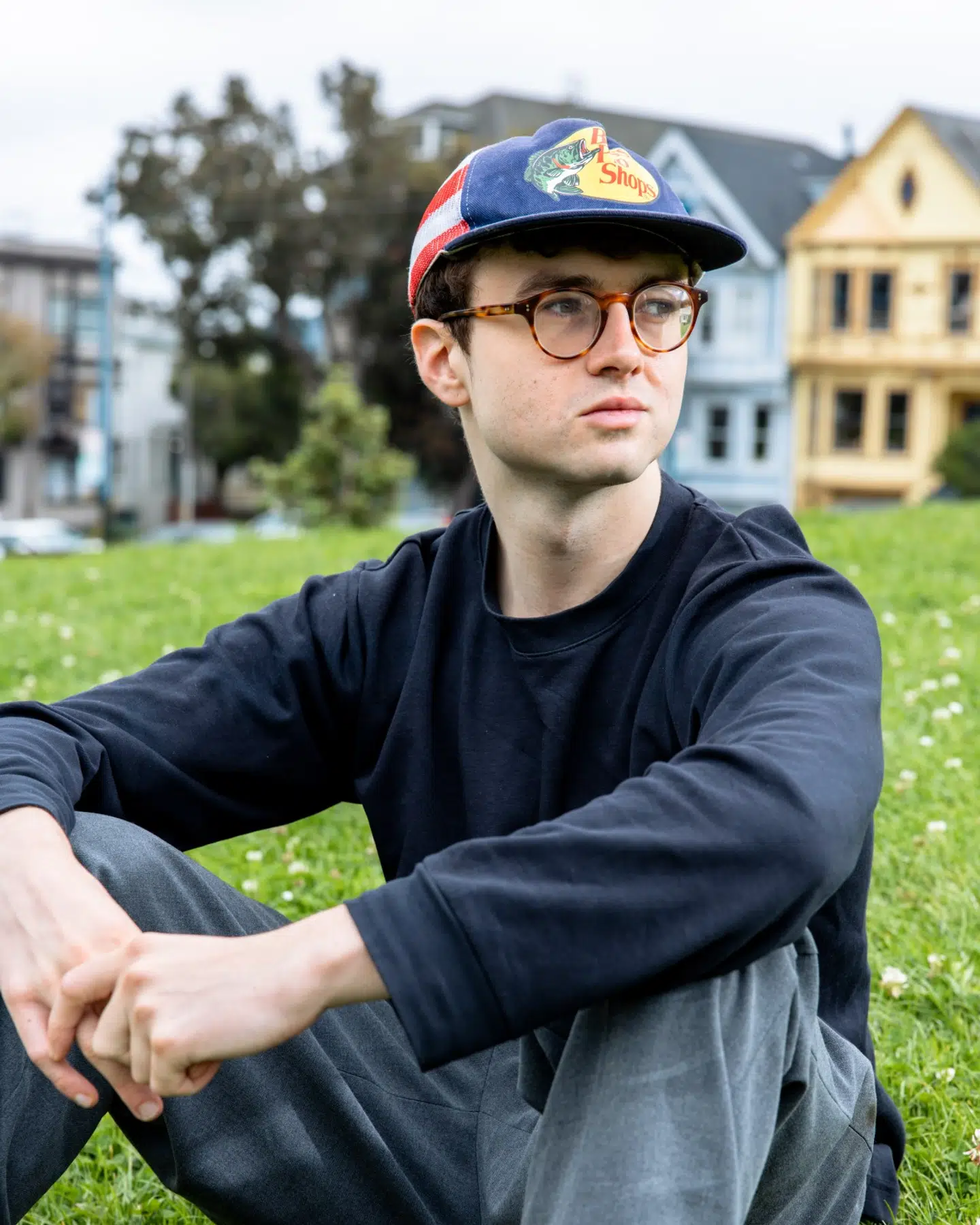
The explosive response surprised Coxon, he said in an interview. It instantly made the math whiz in tortoiseshell glasses – one of hundreds just like him in Silicon Valley’s AI companies – a face of AI safety.
Coxon decided to leave the industry on his own, he said, then sought advice from friends and members of the AI safety community.
Those people quickly amplified his statements, including a network of AI researchers at nonprofits that have long been vocal about the potential for catastrophe. Some of these groups’ funders are connected to effective altruism, a philosophy focused on doing good in the world, including through charitable giving – and preventing AI from doing harm.
His comments have also made him a target for AI boosters, who view his dramatic exit as part of a coordinated plot to enact stronger global regulations favorable to the biggest companies. In their view, the fears are overblown, and Coxon’s resignation has been a tool to accomplish that aim, promoted by some in the effective-altruism movement.
Since he resigned, top executives of the world’s most valuable companies and AI labs have found themselves on opposite sides of the debate that he ignited. Anthropic CEO Dario Amodei said he agreed with Coxon more than he disagreed with him.
Nvidia CEO Jensen Huang said he admired Coxon’s courage but questioned his claims about the future and condemned predictions of armageddon as irresponsible.
Both his supporters and critics have labeled him a whistleblower, which he rejects. From his perspective, he wasn’t spilling company secrets. He was just saying in public what AI researchers discuss privately.
Now he’s at the center of a fight between accelerationists, who think the benefits of AI outweigh risks, which can be mitigated by giving more people access to powerful models, and researchers who want to slow down the technology’s development before AI companies lose control.
In the world of AI, those who are most alarmed by the risks have come to be known as »doomers.«
»If a doomer means someone thinks we’re going to die if we don’t change what we’re doing,« Coxon said, »I’m definitely a doomer.«